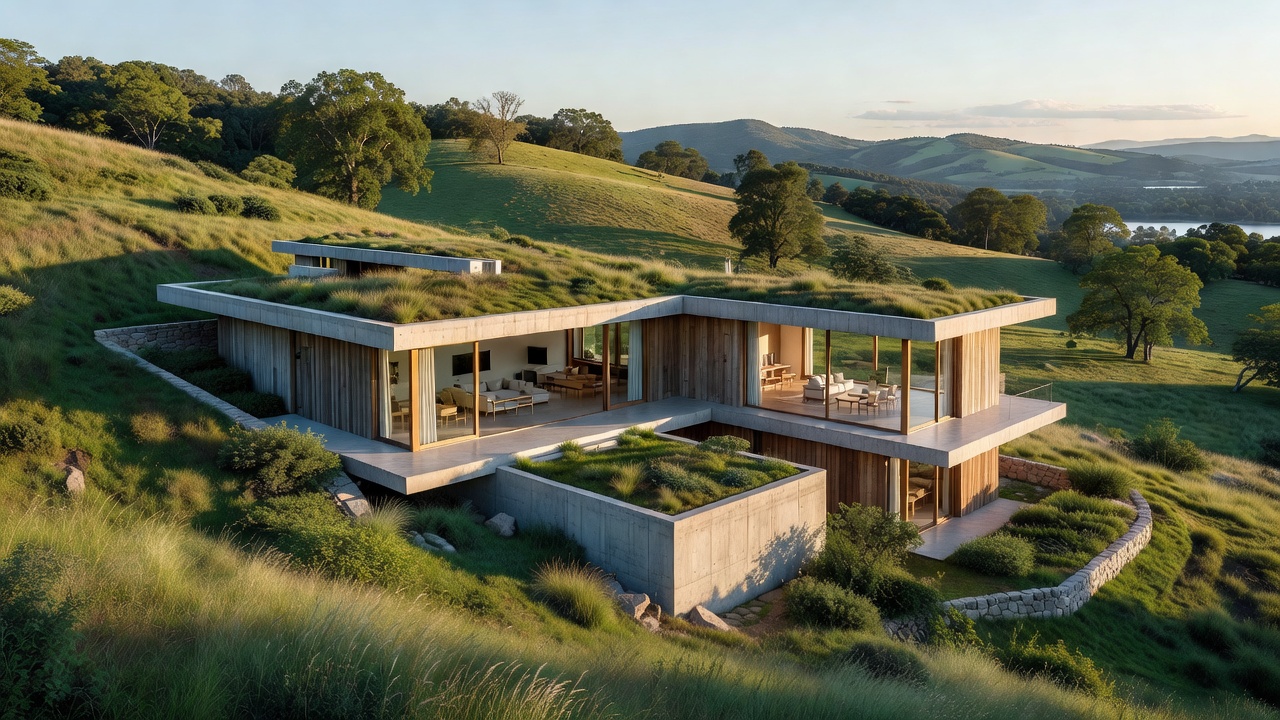
The relationship between a home and its surrounding environment is the fundamental starting point of good architectural design. Instead of aggressive excavation to create flat building pads, contemporary architects are designing structures that step down hillsides, bridge over natural gullies, and wrap around existing mature trees.
Designing for the Topography
Building with the terrain rather than against it offers several profound benefits. A home designed for a slope can offer distinct experiential zones: lower levels feel grounded, secure, and cave-like, ideal for bedrooms, while upper levels feel light, airy, and expansive, perfect for living spaces capturing long views.
"The architecture should not be a foreign object imposed upon the site, but a lens through which the site is experienced."
This approach requires complex engineering. Retaining walls must become part of the interior aesthetic, often expressed in raw board-formed concrete. Waterproofing and drainage become critical design elements rather than afterthoughts. Yet, the result is a home that possesses a deep sense of belonging.
Material Context
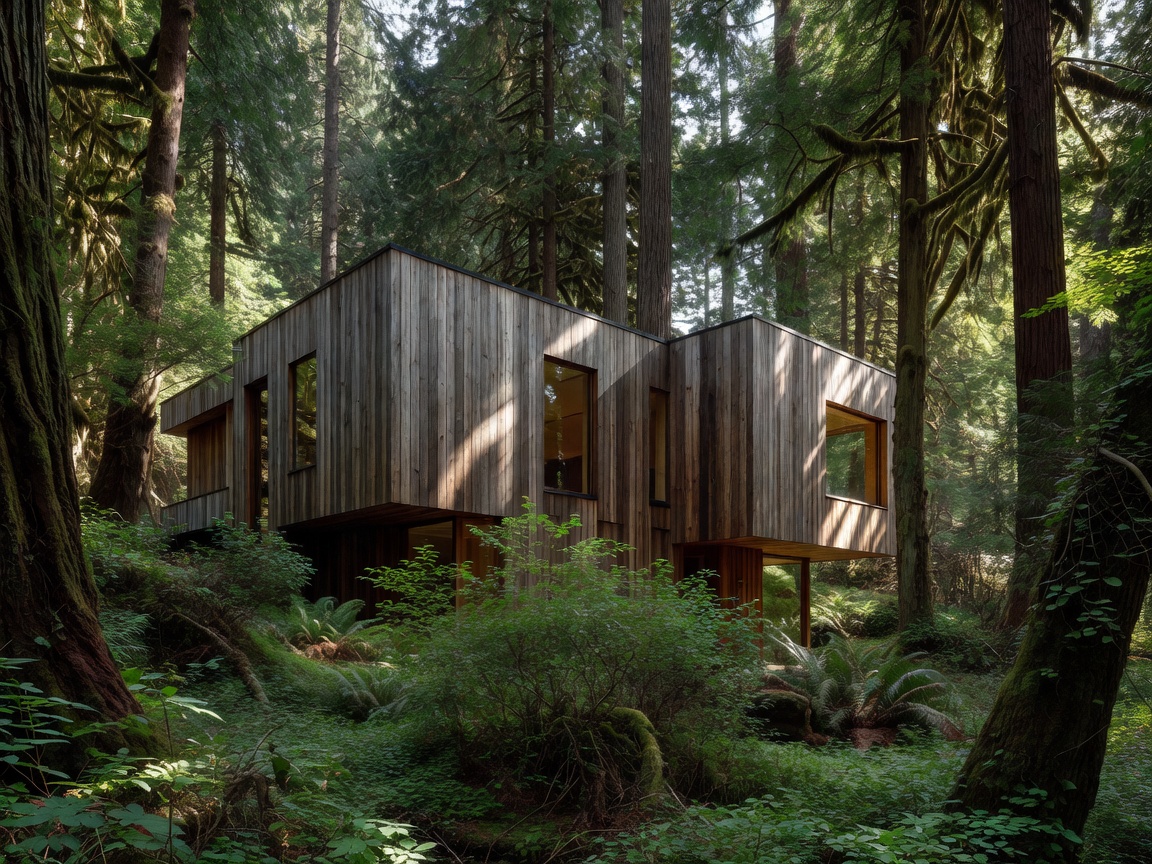
A home integrated with its landscape often borrows its material palette from the immediate surroundings. If the site is heavily forested, charred timber cladding (Shou Sugi Ban) might be used to recede into the shadows of the tree canopy. In rocky, arid environments, rammed earth or local stone masonry anchors the building, making it appear as a natural outcropping.
Choreographing Light and View
When a home responds directly to its site, windows are no longer placed symmetrically for exterior street appeal. Instead, they are positioned strategically to frame specific views: a high clerestory window to capture the movement of treetops, a low slot window to frame a mossy rock face, or expansive glazing focused entirely on a distant horizon while screening out neighboring properties for absolute privacy.
Ultimately, a house that respects its landscape offers a richer daily experience for its inhabitants, grounding them in the natural rhythms of light, weather, and season.