Ideas for the Way We Live Now
An independent publication dedicated to contemporary residential architecture, thoughtful interiors, tactile materials, mindful renovation, and the integration of natural landscapes into everyday living.
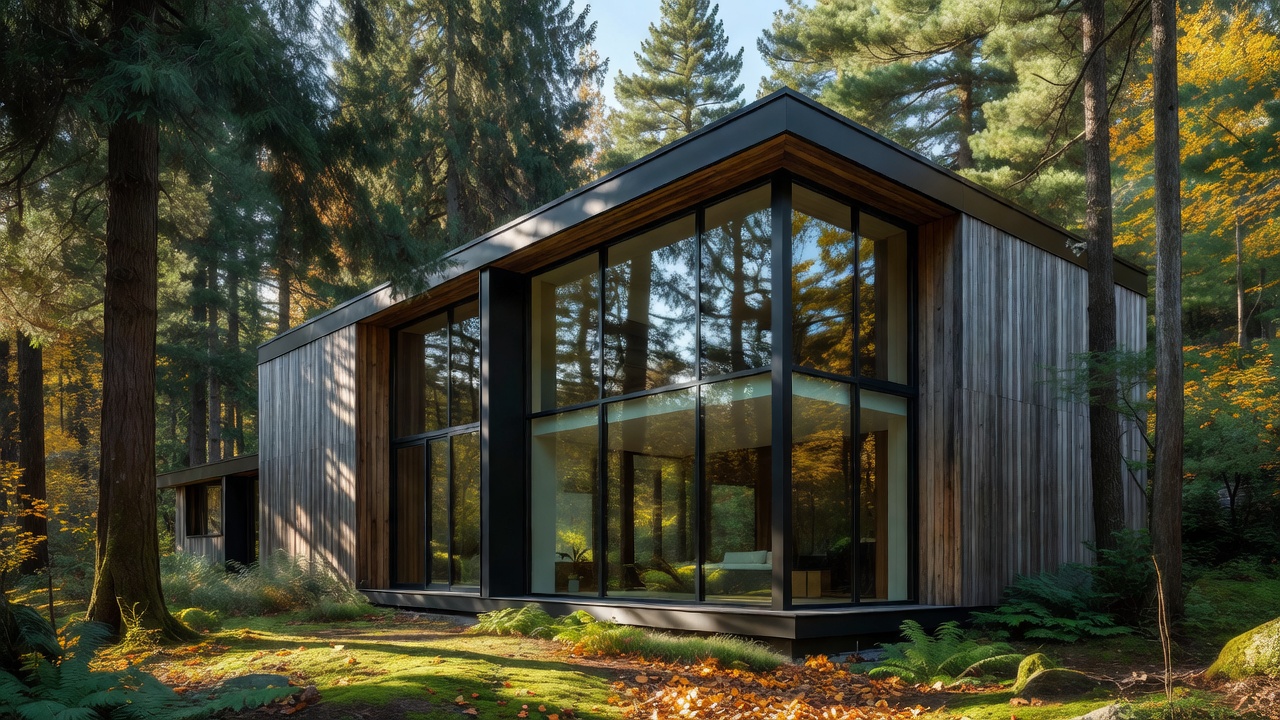
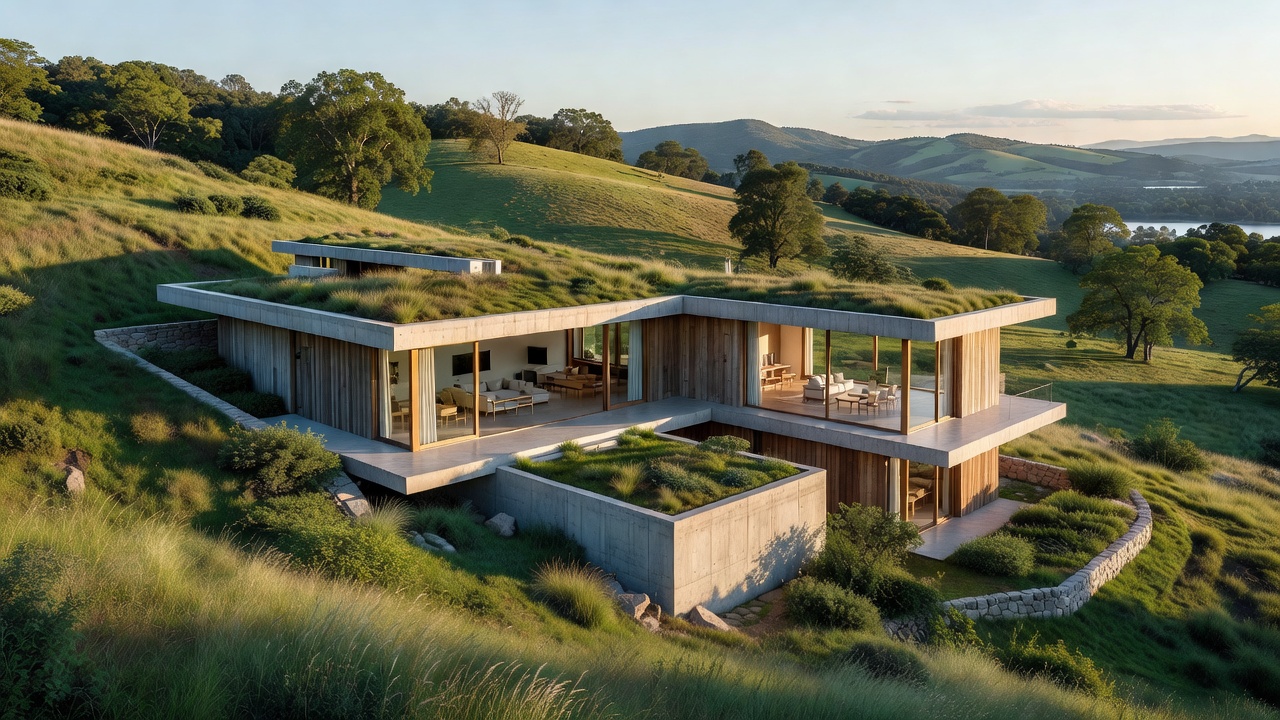
When the House Becomes Part of the Landscape
Residential architecture is moving away from dominating the site. We explore how contemporary homes are responding to light, terrain, and local weather patterns to create living spaces that feel deeply connected to their environment, blurring the lines between indoor shelter and outdoor freedom.
Read the Story →Latest Features
Material Library
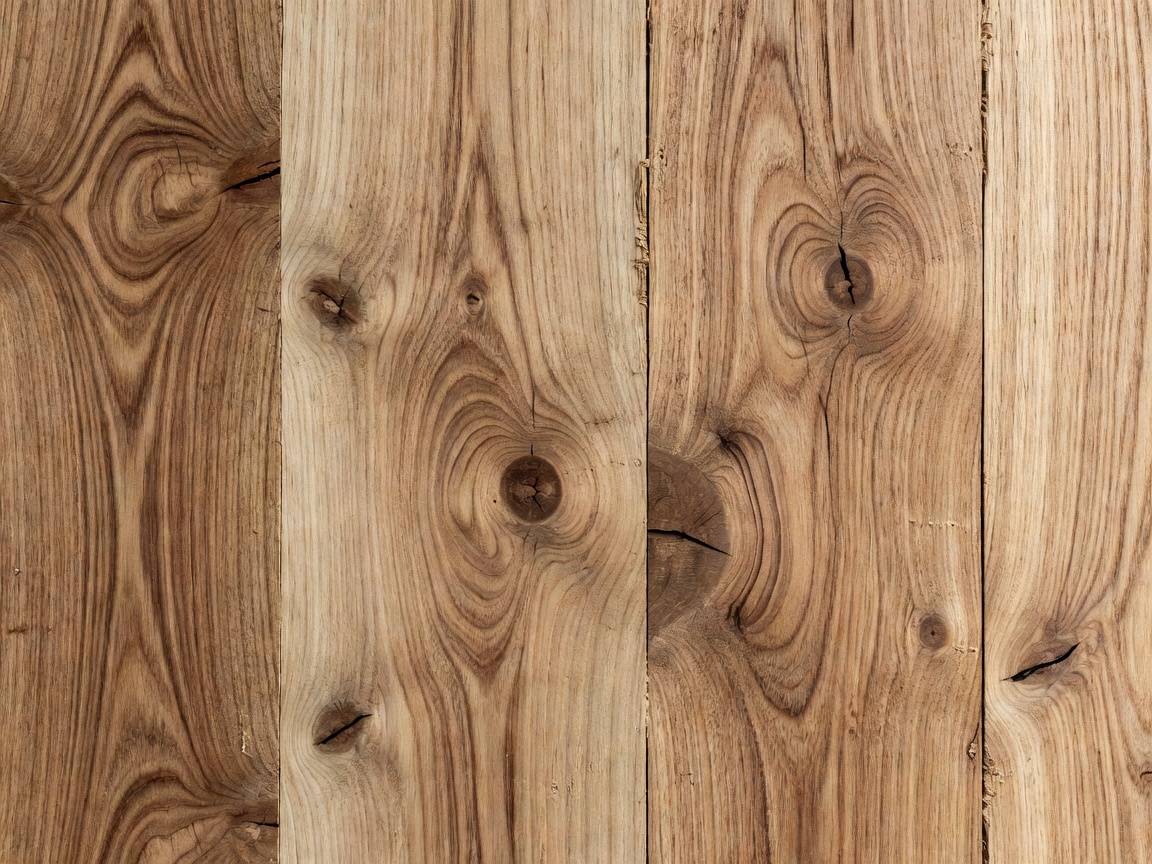
Warmth & Character
Wood introduces an organic, tactile warmth to contemporary spaces. Its natural variations in grain and tone prevent minimal interiors from feeling sterile. As a living material, it responds to the environment and develops a unique patina over decades of use.
- Characteristics Warm, acoustic, structural
- Applications Flooring, cladding, joinery, furniture
- Maintenance Requires periodic oiling or sealing
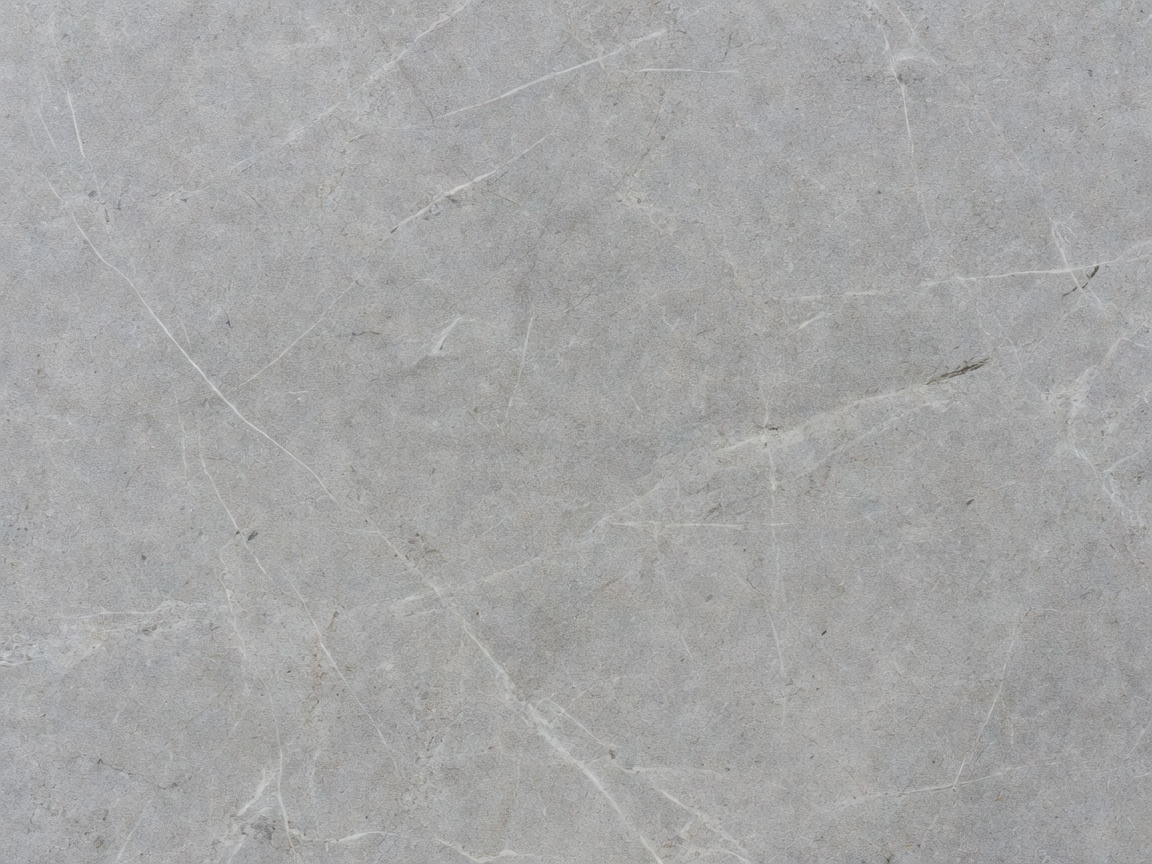
Weight & Permanence
Natural stone grounds a space, offering an unmatched sense of longevity and architectural weight. Whether used as a bold monolithic island bench or subtle textured flooring, stone provides a durable surface with completely unique veining and colour variations formed over millennia.
- Characteristics Dense, cool, durable, unique
- Applications Benchtops, bathrooms, hearths, flooring
- Maintenance Porous stones require careful sealing

Detail & Contrast
Metals provide essential contrast in residential design. From structural steel beams left exposed, to the delicate touch of aged brass hardware, metal introduces precision, reflection, and crisp lines that offset the softer textures of timber and fabric.
- Characteristics Rigid, reflective, precise
- Applications Hardware, tapware, framing, details
- Maintenance Living finishes will patina; coated resist change
Light & Connection
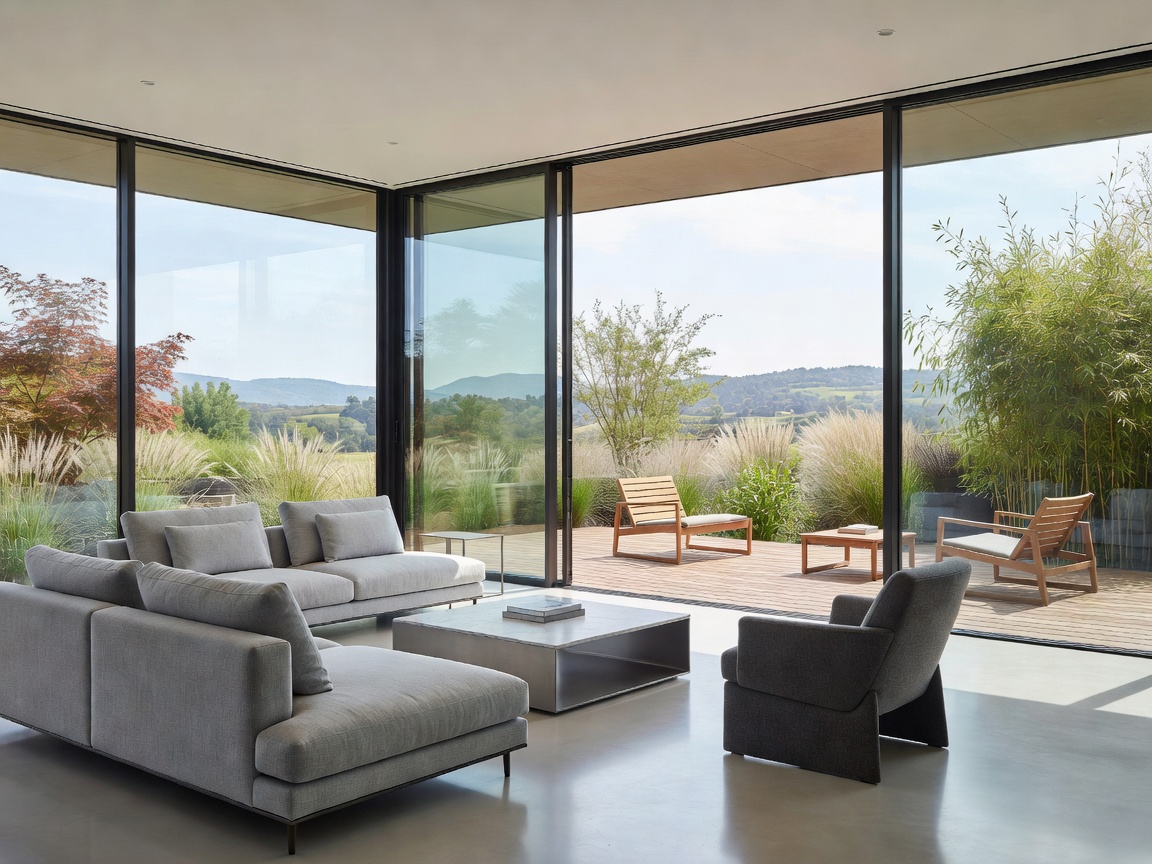
Glass is the critical material for connecting the interior to the exterior. Modern glazing technology allows for expansive, uninterrupted views and passive solar heating, dissolving the physical boundaries of the home while maintaining thermal comfort and security.
- Characteristics Transparent, brittle, light-transmitting
- Applications Windows, doors, partitions, balustrades
- Maintenance Requires regular cleaning for clarity
Softness & Acoustic Control
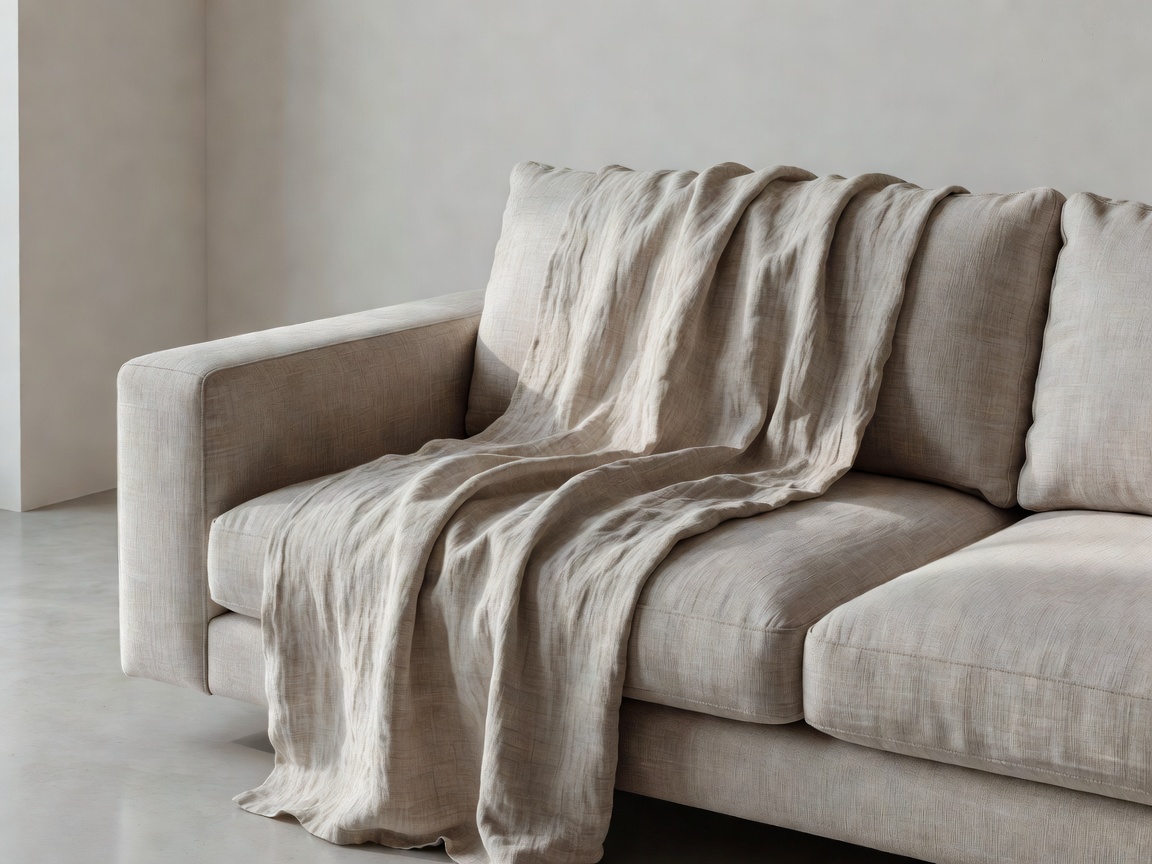
Textiles are the final layer that makes a house a home. Beyond aesthetics and comfort, fabrics like heavy linen, wool, and velvet play a crucial role in acoustic dampening in modern homes that feature extensive hard surfaces like concrete and glass.
- Characteristics Soft, woven, sound-absorbing
- Applications Upholstery, drapery, rugs, bedding
- Maintenance Varies by fiber; natural requires care
The Practical Home Guide
A well-designed home relies on layered lighting rather than a grid of harsh ceiling downlights. Combine ambient lighting (general wash of light), task lighting (directed light for reading or cooking), and accent lighting (highlighting architectural features or art). Utilise dimmers on all circuits to allow the mood of the home to shift from practical day-use to relaxing evening ambiance. Consider color temperature; 2700K to 3000K provides a warm, inviting glow suitable for residential spaces.
Clutter detracts from architectural clarity. Plan storage early in the design process. Built-in joinery that matches wall colors can hide substantial volume without visually shrinking a room. Consider 'drop zones' near entryways for keys and bags, floor-to-ceiling kitchen cabinets to maximize vertical space, and integrated bedroom storage that eliminates the need for bulky freestanding wardrobes. Good storage is invisible.
Combining textures is key to a sophisticated palette. If you use a sleek concrete floor, balance it with warm timber ceiling battens or heavily textured wool rugs. Avoid matching everything perfectly; a room feels more curated when materials have slight variations. Accept that natural materials like unsealed brass, marble, and oiled wood will patina and show wear—this is a feature of their authenticity, not a flaw.
As remote work and changing family dynamics evolve, rooms must serve multiple purposes. Design spaces with flexibility in mind. A guest bedroom might function as a home office 90% of the year; equip it with built-in desk joinery and a high-quality fold-away wall bed. Use large sliding or pivot doors between living areas to allow spaces to be opened for entertaining or closed for acoustic privacy.
A home should adapt to the seasons without relying entirely on mechanical heating and cooling. Ensure proper cross-ventilation for summer cooling. Design roof eaves to block high summer sun but allow low winter sun to penetrate and warm concrete or stone floors (thermal mass). Swap heavy velvet drapery or wool throws for light linens in the warmer months to psychologically adjust the space.
Frequently Asked Questions
Contemporary residential design is characterized by a focus on spatial flow, abundant natural light, honesty of materials, and a strong connection to the surrounding environment. It strips away unnecessary ornamentation in favor of clean lines and functional beauty, prioritizing how a space feels and operates for its inhabitants.
Natural materials are best used to introduce texture and warmth into otherwise clean, minimalist spaces. Instead of trying to match everything perfectly, embrace the inherent variations of natural stone, timber, and linen. Layering these different textures creates a visually rich environment that feels inviting rather than sterile.
Before renovating, assess the structural integrity of the existing building, understand your local zoning and heritage constraints, and clearly define your functional needs versus aesthetic wants. Establishing a realistic budget with a 15-20% contingency is crucial, as is engaging an architect or designer early to explore spatial possibilities you may not have considered.
To maximize perceived space, maintain consistent flooring throughout to prevent visual fragmentation. Maximize natural light with large windows or skylights. Use built-in, wall-to-wall storage rather than bulky furniture. Employ a restrained color palette, and ensure sightlines extend completely through the home, ideally out to a garden or courtyard.